5 June 2026
Closing the Growth Gap for NZ Service Businesses
Discover why NZ service businesses lag and strategies to boost growth by 2026.
Business Growth & Strategy, New Zealand Small Business Growth 2026
Why New Zealand Service Businesses Are Falling Behind and How to Close the Gap
NZ small businesses are growing at just 38% compared to 84% in Vietnam and 43% in Singapore. Here's what's holding Kiwi business owners back in 2026.
By Alison Wheeler
The uncomfortable truth about New Zealand small business growth in 2026
When you look at the numbers behind New Zealand small business growth 2026, a clear pattern emerges. Kiwi small businesses are growing at around 38%, while Vietnam is at 84% and Singapore at 43%. New Zealand isn’t in crisis, but it is falling behind its regional neighbours – especially in the service sector, where most of our small businesses live and breathe every day.
At the same time, the wider economy is only just recovering. The OECD expects GDP growth of about 1.4% in 2026, rising slowly to 2.3% in 2027, with Treasury and the banks painting a similar “better, not brilliant” picture. That fragile recovery is showing up in the services sector too: the BusinessNZ Performance of Services Index has been stuck below 50 for much of 2026, signalling contraction rather than expansion.
📌 Key takeaway: The macro outlook is “cautious optimism”, but many service businesses are still in survival mode – and that’s exactly why the growth gap is widening.
Why New Zealand service businesses are falling behind
From the outside, it’s easy to blame everything on the economy. Yes, oil shocks, rising costs and a fragile global backdrop all matter. But when you look closer at NZ business challenges 2026, especially in service business NZ, there are five deeper issues that are dragging growth down.
1. Survival mindset instead of growth mindset
Recent surveys of New Zealand business owners show nearly two-thirds rating the current environment as “bad” or “very bad”. More than half are simply trying to maintain current operations, with only around a third planning to expand. In other words, most owners have mentally shifted from “grow my business New Zealand” to “just don’t go backwards”.
When you’re stuck in firefighting mode, you naturally:
Say no to investing in systems, marketing, or people that could unlock growth
Underprice your services just to “win the work” and keep the doors open
Avoid bigger, bolder decisions because everything feels too risky
2. Rising costs with no clear pricing or profit strategy
Fuel, rent, wages, compliance – almost every line on the P&L has crept up. Treasury notes that cost pressures remain elevated, and service businesses feel this acutely because they rely heavily on people, premises and time. Yet many owners are still using the same hourly rates or packages they set two or three years ago, even though their costs have jumped by 10–20% or more.
Without a clear business strategy NZ around pricing and margins, growth simply magnifies the problem: more clients, more staff, more stress – but not necessarily more profit.
3. Patchy technology adoption and weak systems
The good news: surveys like Datacom’s Business Outlook 2026 show 82% of NZ businesses plan to increase tech spending. The challenge? Many small service businesses don’t have a clear roadmap for what to invest in or how to implement it. They end up with a patchwork of apps that don’t talk to each other, manual workarounds, and a team that’s half-confused, half-resistant to change.
Meanwhile, competitors overseas are using automation and AI to streamline admin, personalise service, and scale revenue without adding headcount. That productivity gap is one reason New Zealand small business growth 2026 lags behind faster-moving markets like Vietnam and Singapore.
4. Limited access to capital – and even more limited planning
The Reserve Bank’s 2026 Financial Stability Report confirms what many owners already feel: small firms often face tougher loan terms and thinner cash buffers. High-growth, Māori-owned and women-owned businesses are particularly affected. Underdeveloped capital markets mean many owners rely on personal savings or expensive debt, which makes every growth decision feel high stakes.
Access to capital is a real constraint. But so is the lack of forward planning. Few service businesses work with rolling cashflow forecasts or scenario planning, so they’re constantly reacting to the bank balance instead of leading with strategy.
5. Trying to do it alone in a complex, shifting environment
New AML/CFT reforms, rising cyber risks, fragmented government services – the compliance load is getting heavier. Yet many owners are still trying to figure everything out on their own, late at night, after a full day serving clients. That isolation slows decision-making, increases stress, and often leads to conservative choices that protect today at the expense of tomorrow.
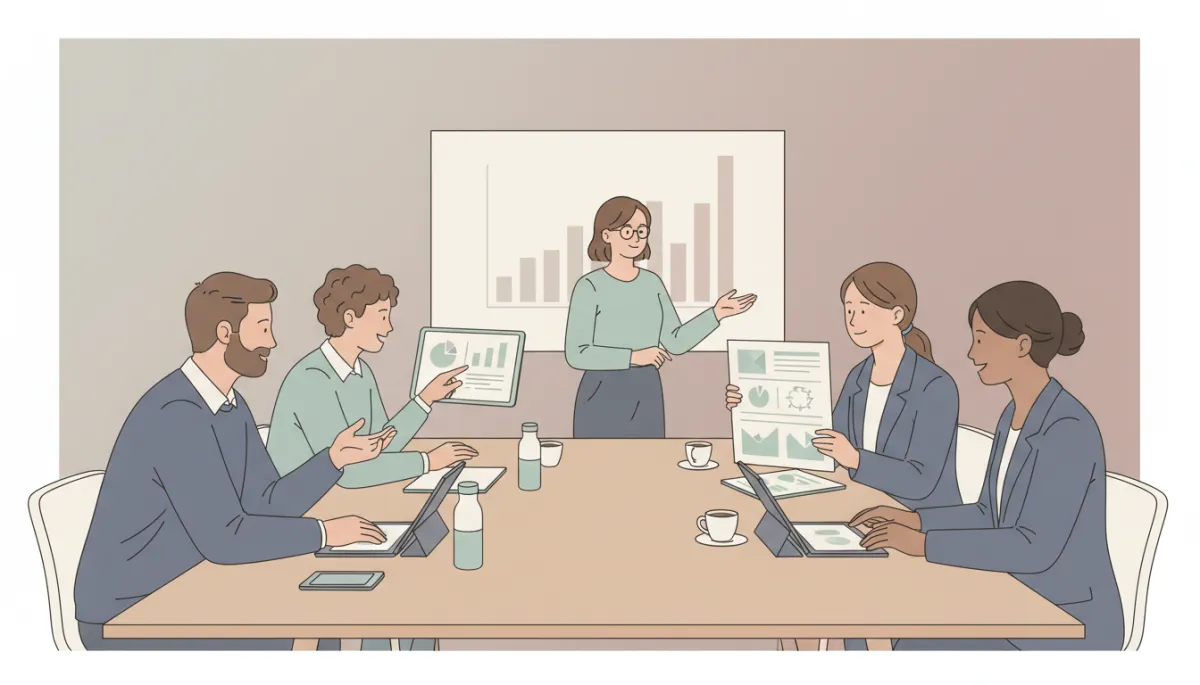
Owners who seek structured support move from constant firefighting to deliberate, profitable growth.
How to close the gap: practical moves for Kiwi service businesses
The good news is that you don’t need to wait for the government, the bank, or the global economy to change before you see better results. Closing the gap with higher-growth markets starts with a handful of practical, owner-led decisions – supported by the right business coaching New Zealand and strategy.
1. Shift from “busy” to “strategic” work
Start by carving out protected time each week for CEO-level thinking. No client calls, no inbox, no firefighting. Use that time to:
Clarify where you want your business to be in three years – revenue, team size, your role, lifestyle
Identify your three biggest constraints right now (for most service businesses: leads, pricing, capacity)
Choose one constraint to focus on for the next 90 days and build a simple action plan around it
💡 Pro tip: If you’re not sure where to start, read our detailed article on recognising and fixing a growth stall in your service business. It will help you pinpoint exactly why things feel stuck.
2. Fix your pricing and profit foundations
With costs up and margins squeezed, your pricing model can no longer be “what everyone else charges”. To genuinely grow my business New Zealand in this environment, you need to:
Know your true cost to deliver each core service (including your own time)
Set minimum acceptable margins – and stop taking work that falls below them
Move away from purely hourly rates toward value-based packages where possible
This is where structured business strategy NZ support can make a huge difference. A coach or advisor can help you model scenarios, test price points, and communicate changes to clients without losing the relationships you’ve worked so hard to build.
3. Use technology to multiply your time, not just add noise
Instead of chasing every new tool, focus on a simple question: Where is my team repeating the same manual work every week? Then deliberately target those areas with automation and better systems. For most service businesses, that means:
Streamlining enquiry, quoting and onboarding so new clients move quickly from “interested” to “signed”
Automating reminders, follow-ups and basic client communication where appropriate
Tightening scheduling, timesheets and invoicing so you get paid faster with less chasing
Done well, this doesn’t replace your people – it frees them up to deliver higher-value work and a better client experience, which is exactly where New Zealand service businesses can compete and win.
4. Build resilience into your cashflow and funding
You can’t control interest rates or bank appetite, but you can control how prepared you are. To protect and grow your service business in 2026:
Use a rolling 13-week cashflow forecast so surprises don’t become crises
Shorten your cash cycle – deposits upfront, tighter payment terms, clearer follow-up processes
Explore alternative funding options early, not when you’re desperate
Many owners are surprised by how quickly stress levels drop once they can see what’s coming financially – and how much easier growth decisions feel when they’re made from a place of clarity rather than panic.
5. Stop doing it alone: get the right support around you
The most successful owners I work with don’t have fewer problems – they just have better support. They invest in business coaching New Zealand, peer groups, and specialist advisors so they can make decisions faster, see blind spots earlier, and stay accountable to the growth they say they want.
If you’re ready to move beyond survival and genuinely close the gap with higher-growth markets, start by choosing the level of support that matches your ambition. You can explore our tailored coaching packages designed specifically for New Zealand service businesses at different stages of growth.
Your next step: from “stuck” to strategic growth
New Zealand will probably never be the cheapest place in the world to run a business. But it can absolutely be one of the smartest – especially in services, where relationships, expertise and experience are our natural advantages. The question is whether you’ll let the current climate push you further into survival mode, or whether you’ll use this moment to redesign your business for the next stage of growth.
If you’re reading this and recognising your own situation – flat revenue, rising costs, a sense that you’re working harder for less – you don’t have to navigate it alone. Together we can build a clear, practical plan to get your service business growing again, on your terms.
Ready to turn cautious optimism into concrete results for your business? Book a Strategy Call with Alison Wheeler and get a tailored action plan to move your New Zealand service business from stuck to growing in 2026 and beyond.