21 May 2026
Boost Conversions: Fix Your Marketing Strategy
Learn why your marketing isn't converting and discover strategies to improve ROI for your service business.
Marketing, Service Business Growth
Why Your Marketing Isn't Converting (And How to Fix It)
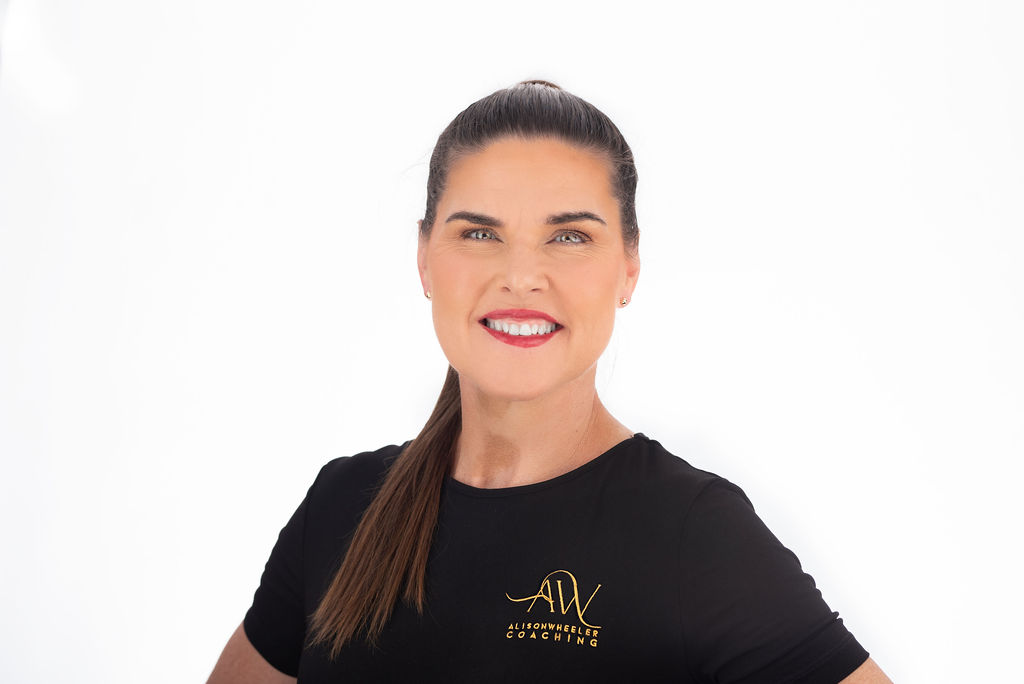
By Alison Wheeler – a professional guide to creating marketing that converts service business visibility into real, paying clients.
If you run a service business, you are probably investing time and money into marketing-and expecting it to translate into bookings, enquiries, and new clients. When that does not happen, it is easy to assume you need more marketing. In reality, you usually need better, more intentional marketing that converts, not just more noise.
The Real Reason Your Marketing Isn’t Converting
Most service providers-coaches, consultants, creatives, and wellness professionals-do not have a traffic problem. They have a conversion problem. People see the posts, visit the website, and read the emails, but they do not take the next step. To consistently convert leads to clients, you need a clear, structured service business marketing strategy that guides prospects from curiosity to commitment.
Common Marketing Pitfalls Holding You Back
Before you can fix conversion, you need to understand what is going wrong. These are the most common pitfalls I see when auditing service business marketing:
Vague positioning: Your audience cannot clearly tell who you help, what you do, and why it matters, so they scroll past instead of enquiring.
Content without a purpose: You are posting “for visibility” but not designing content that converts by leading people to a specific next step.
Inconsistent offers: Your offers change frequently or are not clearly explained, so potential clients feel uncertain or confused.
No follow-up process: You rely on people “getting back to you” instead of nurturing them with a simple, consistent follow-up system.
📌 Key Takeaway: Most conversion issues are not about your talent or your offer. They are about clarity, structure, and follow-through in your marketing.
Why Clear Calls to Action Matter More Than You Think
Every piece of marketing-social posts, emails, podcasts, blogs-should have a single, clear purpose. That purpose is expressed through your call to action (CTA). Without a strong CTA, people may enjoy your content but never take the step that moves them closer to becoming clients.
Replace “Let me know what you think” with “Enquire about coaching” or “Book a Strategy Call.”
Direct people from your content to a specific next step-such as your coaching packages page-so they know exactly how to work with you.
Strong CTAs do not have to be pushy. They simply make the path forward obvious, which dramatically improves your marketing ROI because more of your existing visibility converts into revenue.

Clear, specific calls to action can quickly turn warm interest into booked calls.
Shift to Client-Focused Messaging
Many service providers unintentionally make their marketing about themselves-their qualifications, their story, their methodology. While these things matter, they are not what converts. What converts is client-focused messaging that speaks directly to the problems, desires, and outcomes your ideal clients care about most.
Talk less about your process and more about the result: less stress, more time, clearer direction, better performance.
Use the language your clients actually use when they describe their challenges, not only industry jargon.
Demonstrate empathy and understanding before you present your offer, so people feel seen and safe to take the next step.
If you are a business coach in Australia, for example, your content should directly address the realities of local markets, regulations, and business culture. This specificity builds trust and helps you convert leads to clients who feel you genuinely understand their world.
Consistent Follow-Up: The Missing Link in Most Service Businesses
Even with strong CTAs and client-focused messaging, many service providers lose potential clients because they do not follow up consistently. People are busy. They intend to reply, book, or pay-but they forget. A simple, respectful follow-up system can transform your conversion rate without needing any extra traffic.
After an enquiry: Send a confirmation email, then a reminder if you have not heard back within a few days.
After a discovery call: Share a concise recap, link to your coaching packages, and a clear next step with a deadline.
For quieter leads: Nurture them with valuable content-such as articles from your visibility blog-so you stay top of mind until they are ready.
💡 Pro Tip: Treat follow-up as a service, not a sales tactic. You are helping busy people make a decision they already wanted to make.
Designing a Service Business Marketing Strategy That Actually Converts
When you bring these elements together-clear positioning, strategic CTAs, client-focused messaging, and consistent follow-up-you create a service business marketing strategy that feels professional and sustainable, not frantic or random. This is how you improve your marketing ROI without constantly chasing new platforms or trends.
Map the journey from first contact to paying client.
Decide what role each channel plays in that journey.
Create content that converts by linking every piece to a specific next step.
Ready to Turn Visibility into Clients?
If you are tired of doing “all the right things” and still not seeing consistent enquiries or bookings, it is time to refine your strategy. As a business coach Australia-based service providers trust, I work with clients to design practical, personalised marketing that converts without burning you out.
We will review your current marketing, identify the specific gaps in your conversion process, and build a clear plan to turn more of your existing audience into aligned, ready-to-work-with-you clients.
Book a Strategy Call.